Lying in bed, I let out a sigh of relief. I was finally done with my first day of classes, and after four hours of marketing and accounting, I felt excruciatingly exhausted. I scrolled on my phone for what felt like a few minutes, until my vision blurred and I lost consciousness.
I glanced at my phone. It was 7 p.m. I´d been sleeping for six hours. Starving, I cooked myself pork and rice for dinner, and within the next few hours, I fell asleep again.
For the whole first week of my program, that was my daily life. It wasn’t just jet lag.Leaving my family and friends in the beginning of summer to take classes with people I didn’t know made me feel depressed. I felt ungrateful. I was given the opportunity to study in Barcelona, yet while others were exploring everything the city had to offer, I felt alone and sad doing nothing in my dorm. I had no close friends, no motivation, and class days that felt like they had no end. I wanted to go home.
Days went by, and the site visits and classes became increasingly more draining. Each day, I looked forward to the comfort of my dorm. But I knew that wasn’t right. I wanted to do something, but I couldn’t. I felt glued to my bed, with every ounce of my soul tied down by a lack of motivation.
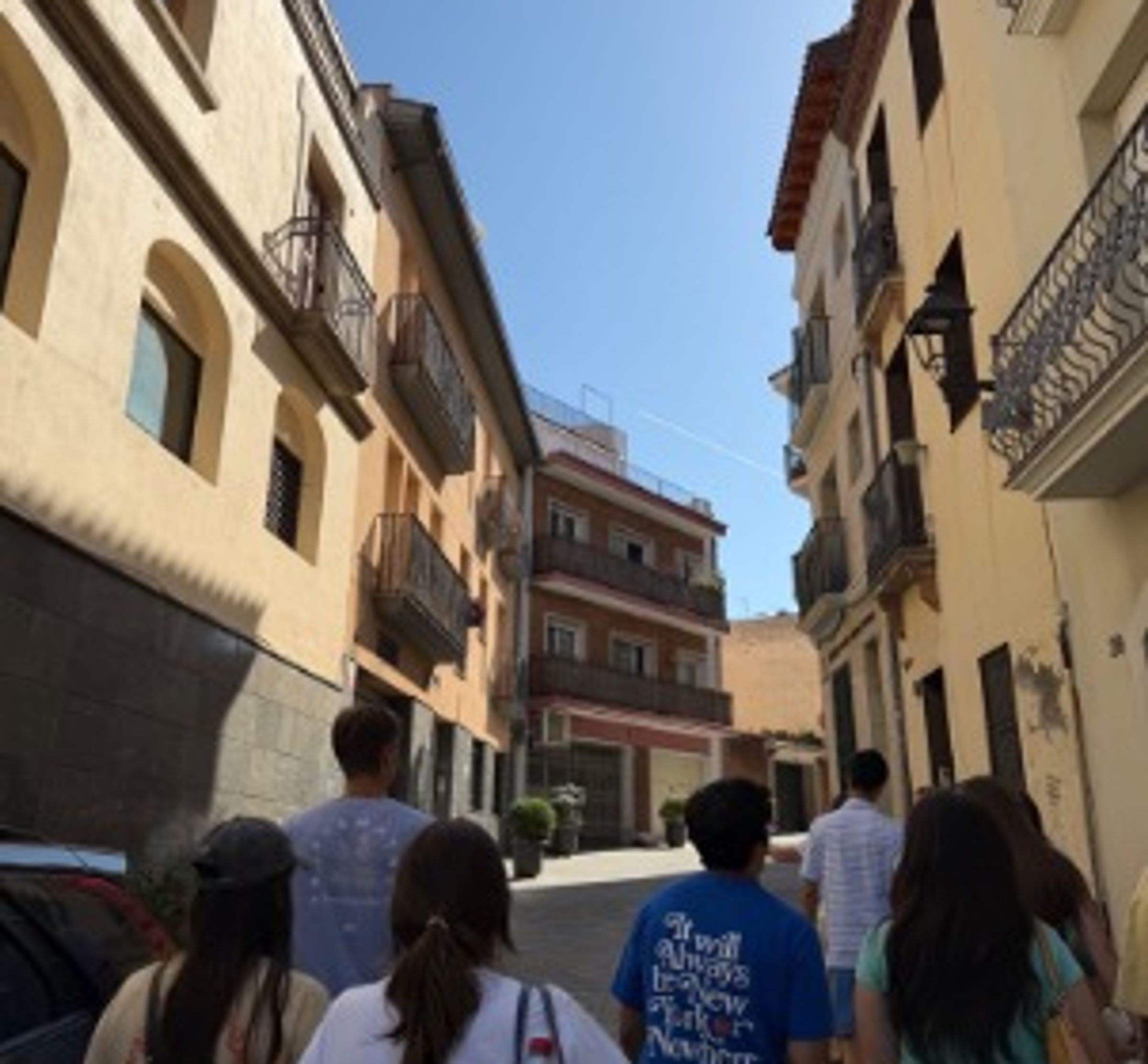
Things changed during the second week of classes. I became closer with other students, and I soon found my sense of belonging in shared moments laughing in class or going on random excursions. From watching World Cup games at a bar with friends to touring FC Barcelona’s stadium, Camp Nou, I learned how to make the most of my time studying abroad doing things that made me happiest. While I did continue to cook, I set aside time to make plans for dinner, allowing myself to enjoy tapas with friends or indulge in seafood paella by the port. Even when alone, I learned to enjoy my own company, whether that be strolling through the peaceful streets of Sant Cugat after a grocery run or studying in my dorm while watching a World Cup game on my iPad.
Unfortunately, the lack of motivation was still there. I purchased a gym membership and got back into my routine, but my homework never received more than the bare minimum. Worst of all, I stopped casing entirely.
For anyone outside the consulting recruitment bubble, casing is how aspiring consultants prepare for interviews. It involves analyzing mock business problems like market entries or falling profits by structuring them into different areas to determine where the solution lies. Before the trip, I consistently cased every night at home, regardless of how tired I felt. I had also networked with consultants at Boston Consulting Group, one of the world’s most prestigious consulting firms, sending emails, setting up calls, and learning the most I could about the recruitment process.
On the last night of my trip, I opened my email to find a rejection letter from BCG in my inbox. It shouldn’t have surprised me, but I couldn’t accept it: I had failed to get past the initial assessment. What stung most wasn’t losing BCG. It was the idea I had given up when it mattered most.
That’s what they don’t tell you about studying abroad. The adrenaline rush of experiencing a new country doesn’t last forever, and when it fades, you’re left with an ordinary life in an unfamiliar place: completing homework at your desk, dragging yourself to the gym, and opening a rejection letter on the last night. During those weeks, I felt like I had completely messed up my study abroad. But as I reflect on those lonely moments, I realize that’s when I stopped being a tourist. I enjoyed eating paella by the port and celebrating at the bar, but I lived through the worst moments and kept going too. I didn’t leave with a BCG interview, but I left confidently knowing that I could feel lost somewhere new and have the strength to find my way back to myself.